Cango Breaks Bitcoin HODL Stance, Sells 550 BTC Amid Mining Pressure

Cango changed course on its bitcoin holding strategy in January, selling more BTC than it produced during the month as mining economics tightened across the sector.
Cango reported on Tuesday that it sold 550.03 BTC in January and mined 496.35 BTC during the period. The sale amounted to about 111% of its bitcoin production, marking the first time the company has liquidated mined BTC since pivoting into proprietary mining as a proxy for Bitmain’s Antalpha.

As a result, Cango’s total bitcoin holdings declined to 7,474.6 BTC at the end of January, down from 7,528.3 BTC at the end of 2025. Cango had accumulated all of its mined bitcoin since its pivot in November 2024, repositioning itself as a large-scale bitcoin miner after winding down its legacy auto-financing business.
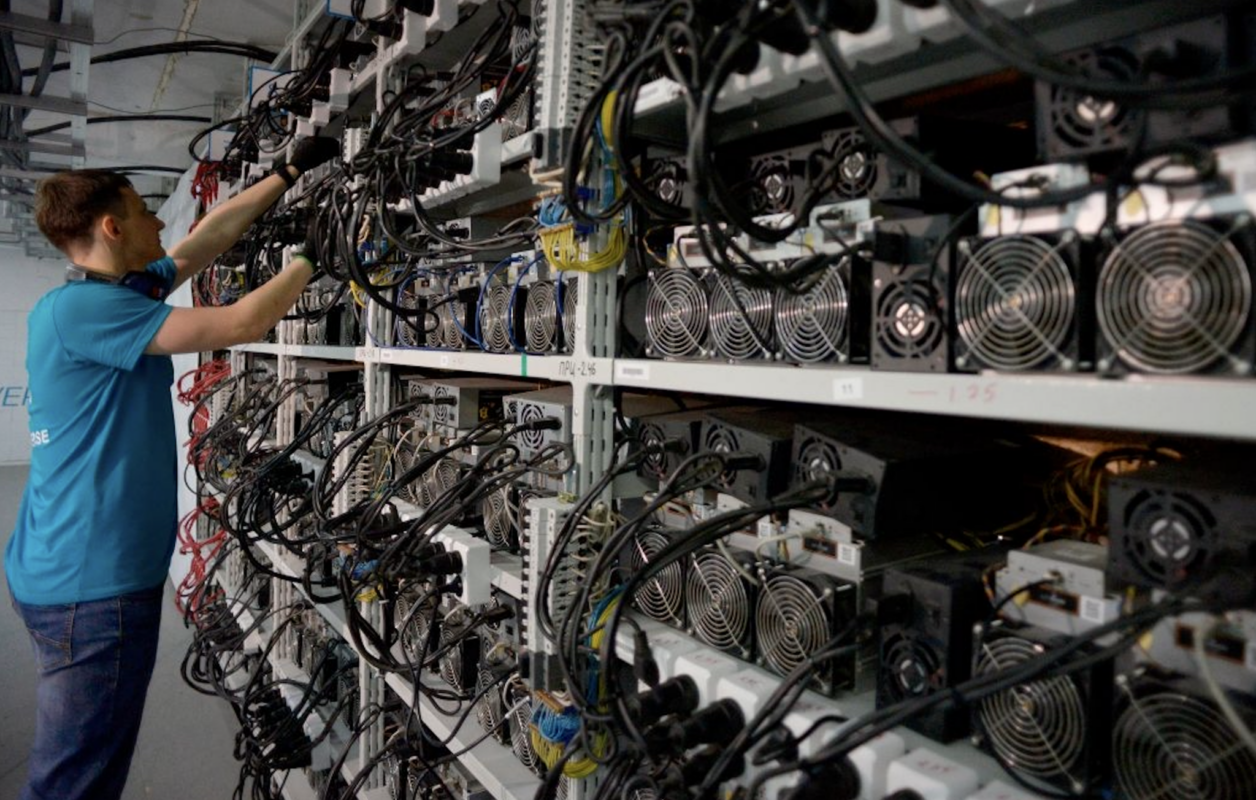
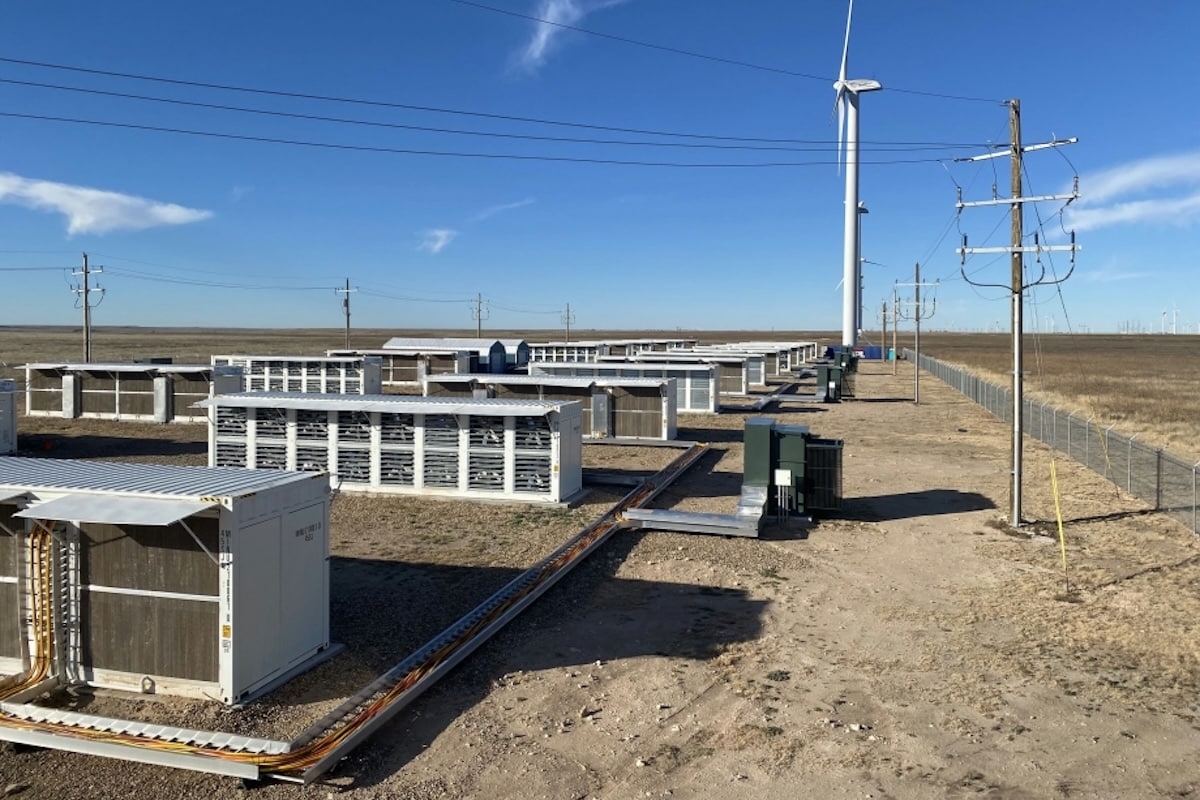
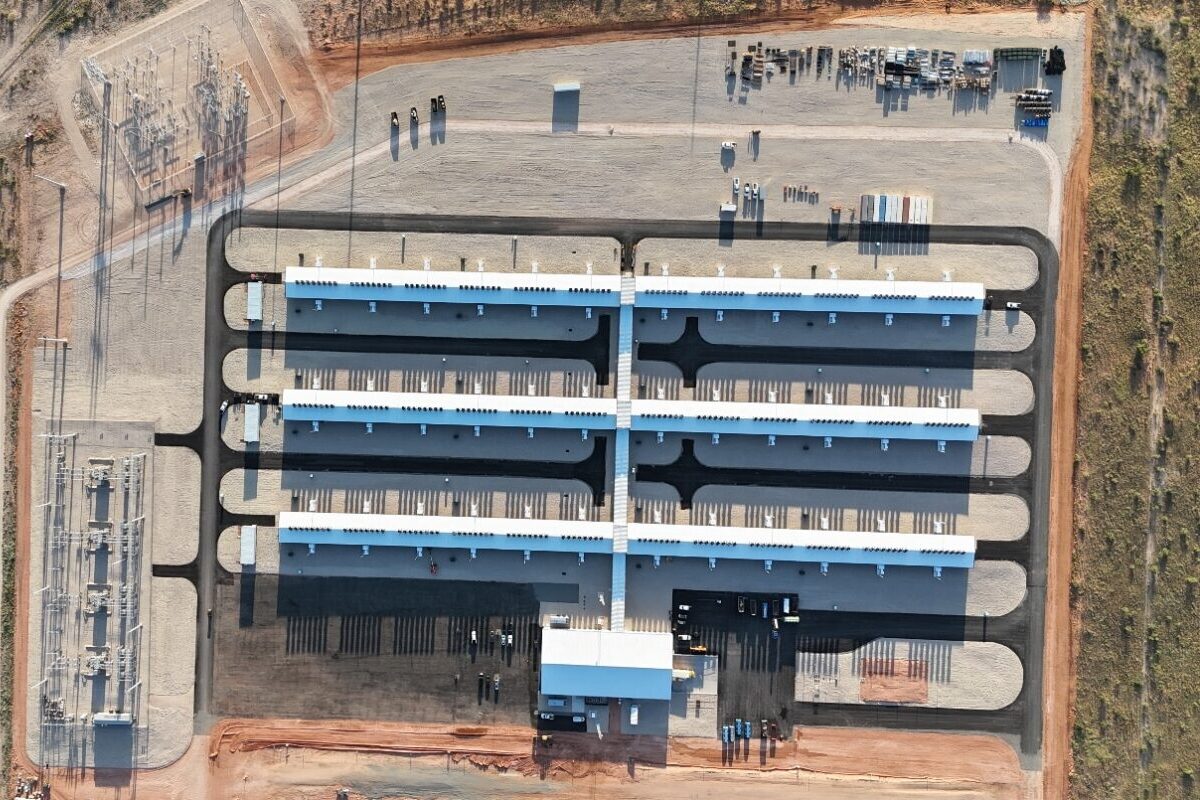
Cango operates a 50 exahash-per-second fleet, though its average operating hashrate fell to 37.02 EH/s in January from 43.36 EH/s in December, partly due to weather-related curtailments in North America.
Chief executive Paul Yu said the company would begin “selectively” selling newly mined bitcoin to fund near-term growth initiatives, including the expansion of its inference platform. He cited extreme cold and blizzards for reduced uptime during the month, noting that difficulty adjustments helped offset some of the impact on production.
The move, however, also underscores the pressure facing miners with higher cost structures. Based on TheMinerMag’s analysis, Cango’s fleet hashcost reached roughly $39/PH/s, reflecting its reliance on older-generation machines supplied by Bitmain, primarily the S19 XP series. That estimate excludes corporate overhead and financing costs.
Bitcoin’s average hashprice in January notably fell below that level, suggesting Cango was already mining at a gross loss before accounting for broader expenses. Industrywide, lower transaction fees, elevated network difficulty, and still-high power costs have compressed margins, particularly for operators running less efficient fleets.