Cipher Seeks $2B in New Secured Notes to Fund AI Data Center Build in Texas
Cipher Mining plans to raise $2 billion through a new offering of senior notes, adding to a growing wave of debt issuance by bitcoin miners seeking capital for power-hungry AI computing infrastructure.
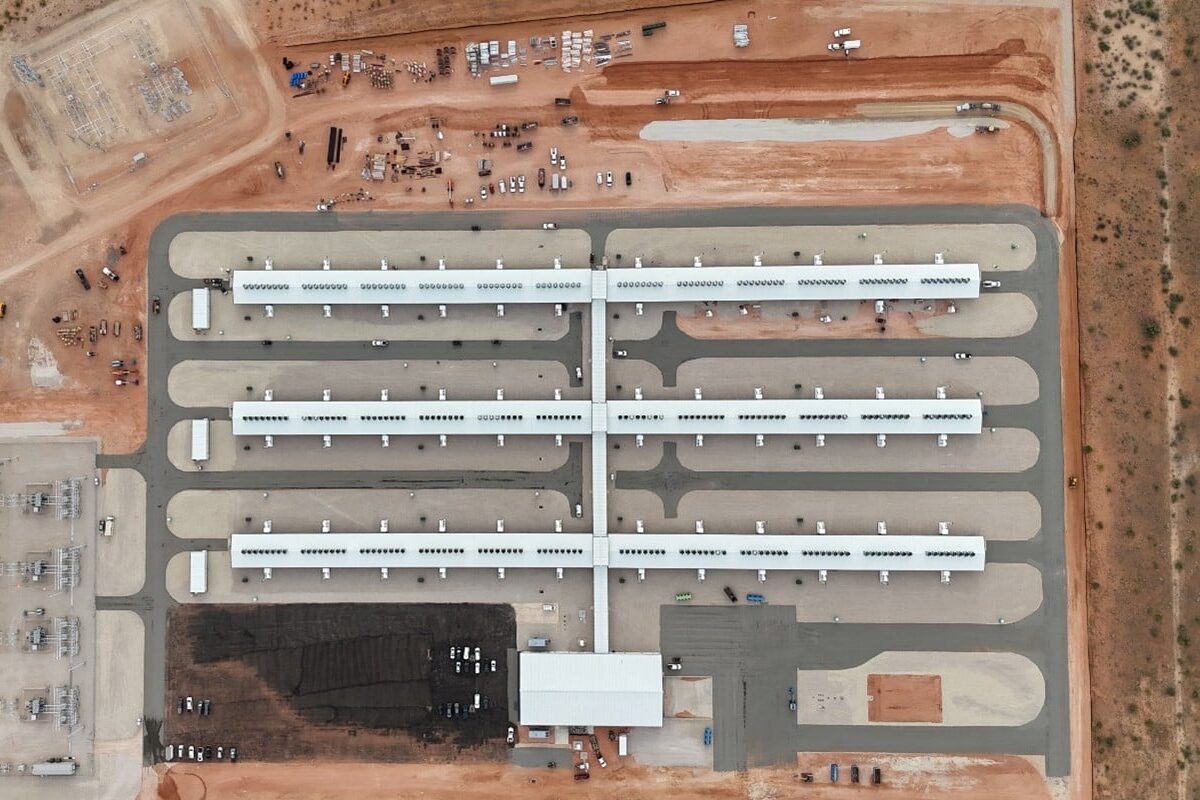
The company said on Tuesday that it intends to offer senior secured notes due 2031 in a private placement to institutional investors, subject to market conditions. Proceeds are earmarked primarily for the completion of the Black Pearl Facility, a high-performance computing data center under development in Wink, Texas.

Cipher said the financing would also reimburse roughly $232.5 million of prior equity contributions used to fund construction, establish debt service reserves, and cover transaction fees. The notes will be secured by first-priority liens on substantially all assets of the issuer and its guarantor subsidiaries, as well as equity interests in the operating entities tied to the project. Cipher will provide a completion guarantee to ensure the facility is finished if note proceeds fall short.
The announcement comes just three months after Cipher raised $1.7 billion through a senior notes offering priced at 7.125%, underscoring how frequently large bitcoin miners are returning to debt markets as capital requirements rise.
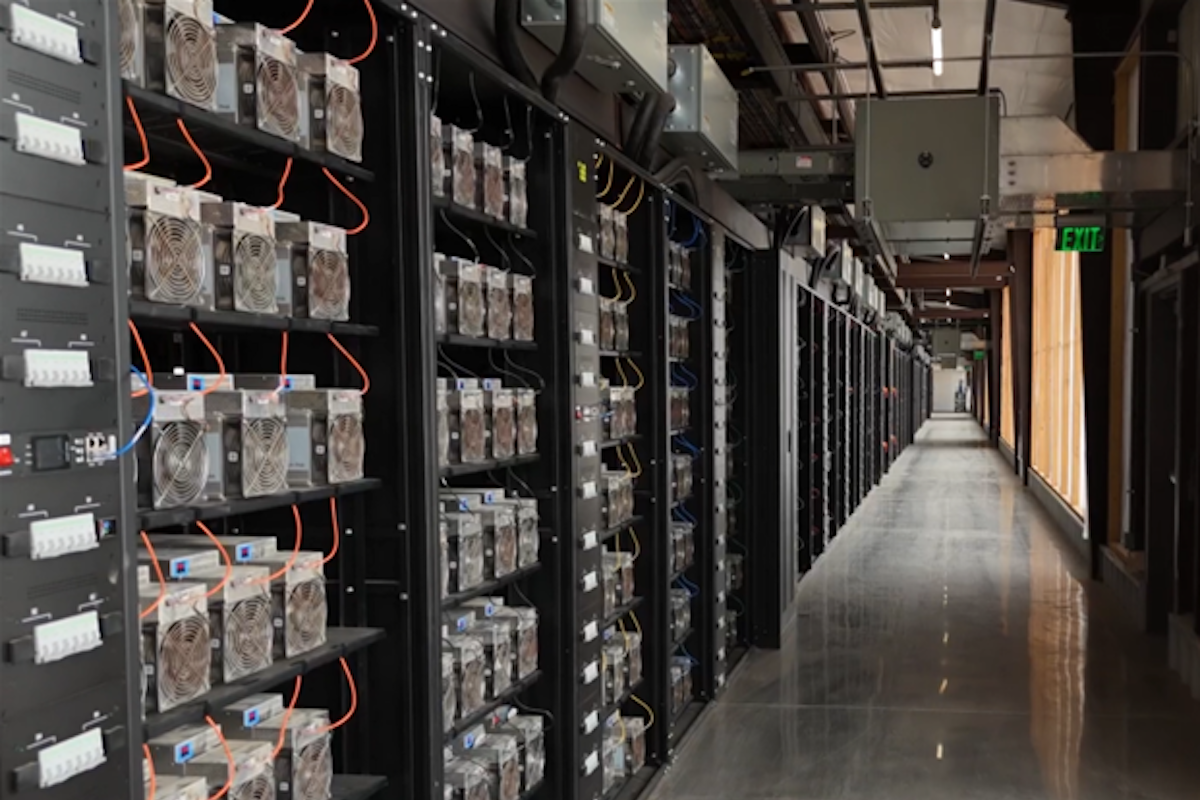
Historically focused on application-specific integrated circuit fleets and power contracts for bitcoin mining, several public miners are now spending heavily to retrofit or build data centers capable of serving AI and HPC workloads.
That shift has driven a sharp increase in upfront capital needs. AI-oriented facilities typically require denser power infrastructure, advanced cooling systems, and longer build times than traditional bitcoin mines.
Cipher has been positioning the Black Pearl Facility as part of that transition, describing it as a computing center rather than a pure bitcoin mine. Cipher acquired the 300-megawatt Black Pearl site in 2023 and initially energized bitcoin hashrate at the facility in June 2025, boosting its proprietary hashing power to 23.1 EH/s at the time.